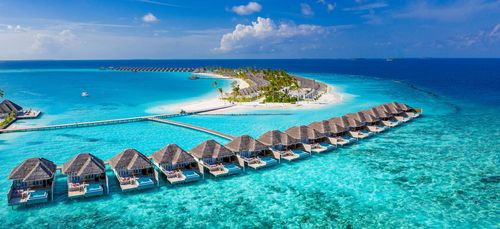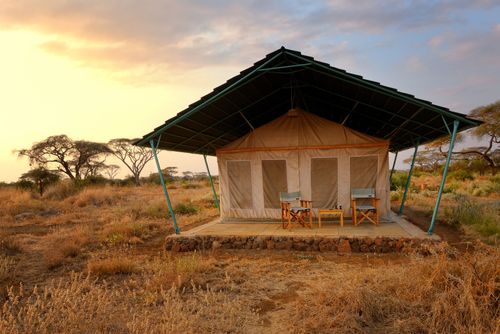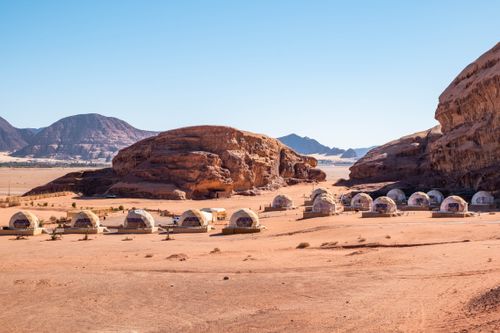
Since 2005, camping has once again become very trendy, and even stylish, to quote words used by the media. The consumer craze can be divided into four different areas:
Camping to save money: it allows those on a limited budget to go on holiday (to a 1 or 2-star campsite).
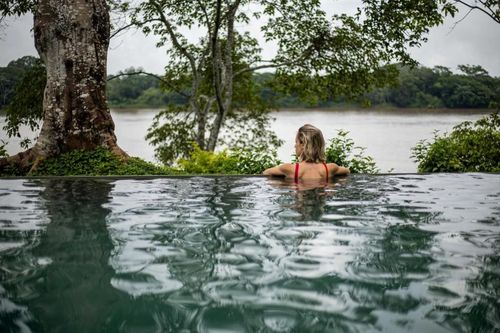
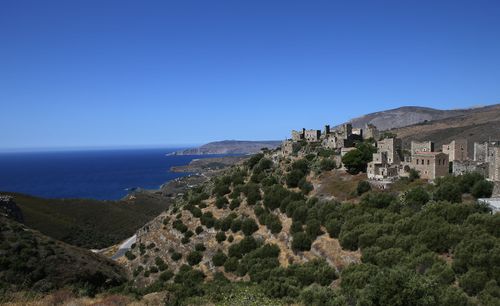
Camping for nature: the idea of enjoying nature is alive and well. The camper likes to keep his senses alive: pleasant views, the smell of the sea and dewy grass, a friendly atmosphere, simplicity, freedom and no social distinctions. In short, to be at one with nature.
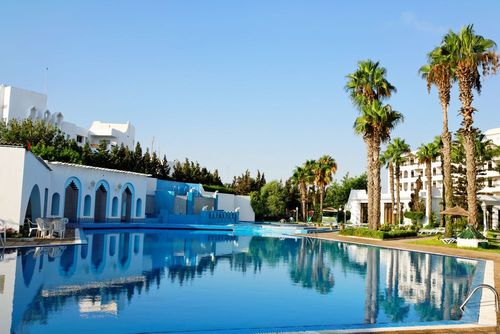
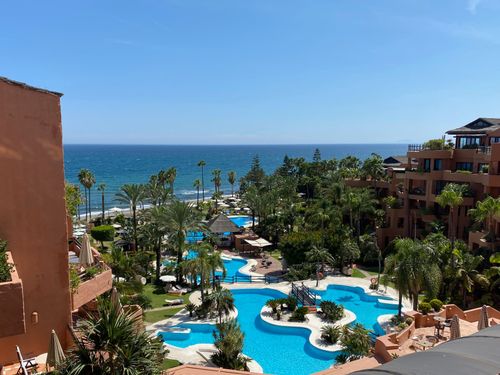
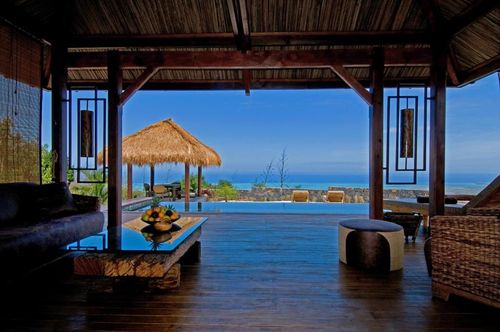
Camping with all the extras: swimming pool, tennis courts, gyms, restaurants...all types of leisure facilities at the disposal of guests renting lodging, and notably for families.
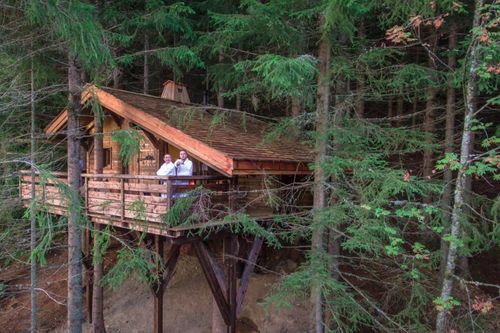
Camping with a twist: in response to consumers looking for something different and to make their children happy: treehouses, caravans, yurts, etc.
The number of camping sites in Europe rose significantly between 1960 and 1980 and has since levelled off.
Following the development of the demand, standards created in 1993 have ranked camping sites with 1 to 4-stars based on measurable criteria, with a 4-star site, for example, offering showers, toilets, sinks, etc.
It is thus entirely logical that a reform of the ranking of outdoor accommodations was launched on the 1st of July, 2010 to replace the 1993 rankings, which no longer reflect the current quality of the establishments. It will allow consumers to have a better view of the range of possibilities available to them.
Professionals will have up to 22nd July 2012 to conform to the standards. A 5th star has also been created with the possibility of an inspection upon demand by the establishment by a private assessment agency accredited by the COFRAC, experienced in the camping and outdoor leisure parks sector.
Beyond the reprisal of the standards set out in 1993, the 2010 frame of reference has additional criteria relative to the types of facilities offered (swimming pool, sauna, etc.), to the services (for example if there is a website available or if the personnel speak any foreign languages, etc.), to the accessibility (such as if the sites and staff are adapted to welcome guests with reduced mobility), and to sustainable development (for example, the implementation of at least one energy-reducing measure).
TThe average quality level of French camping sites is above and beyond those of other European countries.
For students, working young adults, couples with or without children (of all ages), and even retired folk: there is a camping site to fulfil everyone's needs and desires. Indeed, camping can go hand in hand with comfort, sport, a change of scenery, meeting new people, relaxing and enjoying nature; all depending on where you decide to camp. Several types of lodgings exist side by side.
In addition to tents and caravans, mobile homes and leisure homes now represent approximately one third of the total number of camping spots and 38% of overnight stays. 80% of these equipped camping spots are found on 3 and 4-star camping sites which often offer high quality services identical to the ones provided by large holiday clubs.