© Copyright
London contains so much to see and do that it is impossible to cover everything over a long weekend, which is how long tourists tend to spend exploring the city. Visiting as much of London as possible requires efficient planning prior to getting there; reading up as much about the different areas and choosing a handful to visit is the best way so you don't end up missing out, but beware: London is enormous and travelling between the different areas takes time, so don't try to pack too much in at once or you will need to take another week off just to recover after your trip.
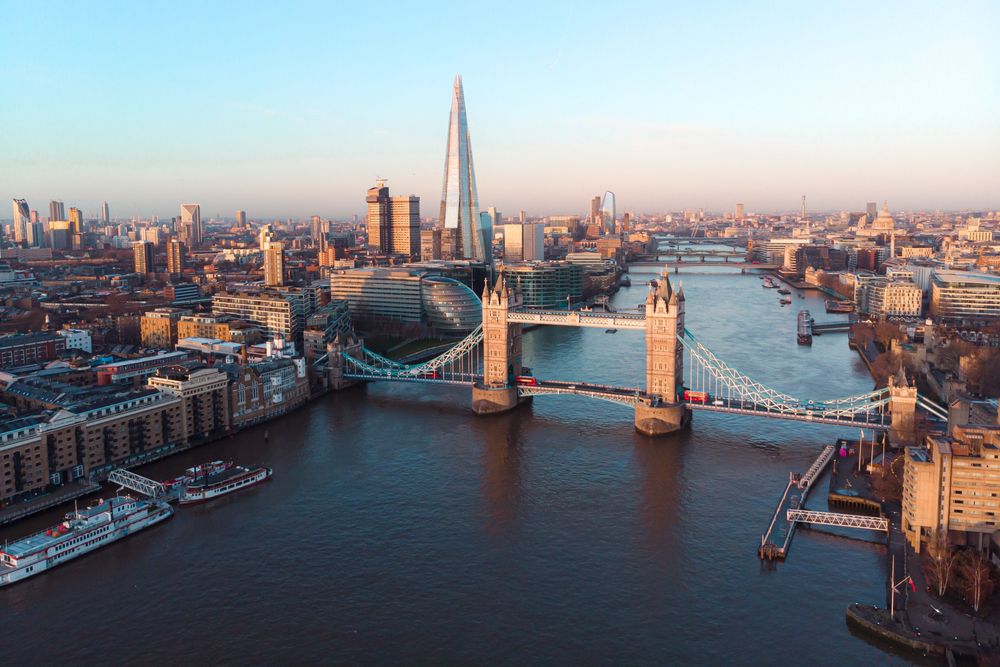
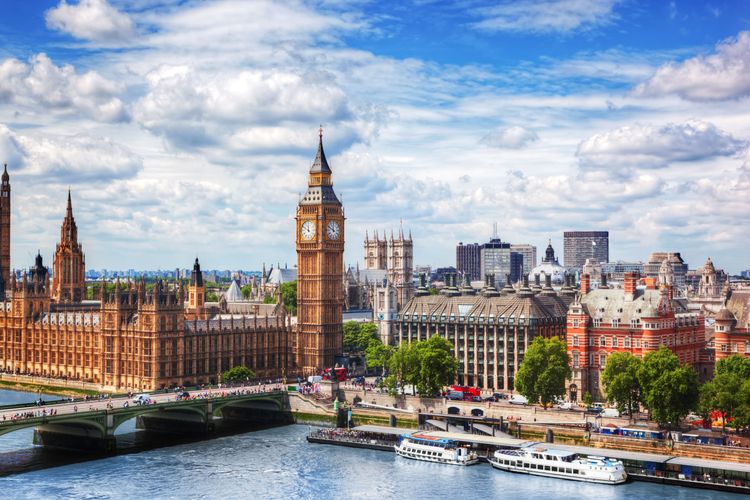
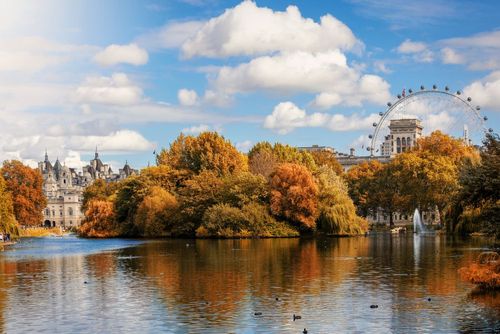
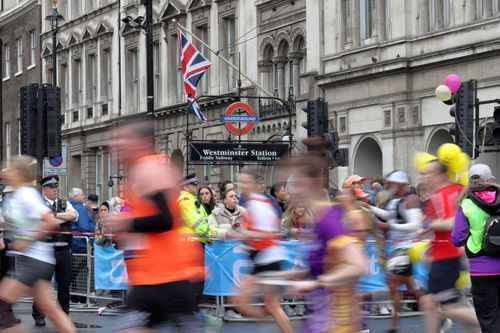
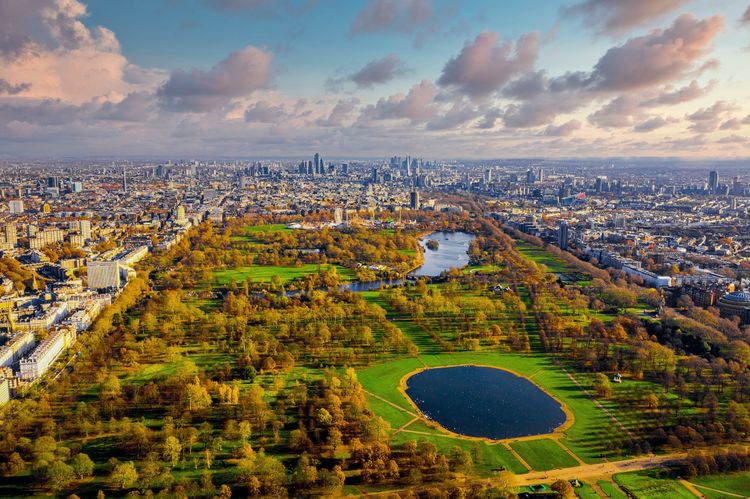
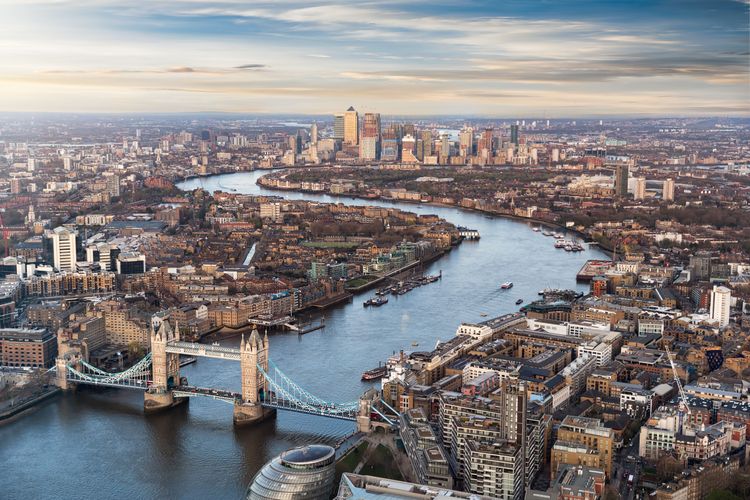
The main areas that draw large crowds of tourists are the West End, the entertainment district (Trafalgar Square, Covent Garden, Piccadilly Circus, Leicester Square and Oxford Circus), East London (Spitafields, Brick Lane, Shoreditch), North London (Camden Market), Kensington, where most national museums can be found, Knightsbridge, where the high-end department store, Harrods, is located, which is close to Hyde Park and Notting Hill (Portobello Market, Westbourne Grove), and of course, the Thames area where the city's major landmarks line the murky waters of the river. The main draws here include Westminster (Big Ben and Westminster Abbey), the City Hall (designed by Foster and Partners), the London Eye, St Katharine's Docks, the Saatchi Gallery, Tower Bridge, the Tower of London and so much more. London is an extremely fast-moving city, on par with New York, meaning there is always a real of new things to do - exhibition openings, new bars and restaurants, new shops, so don't be disheartened if you don't manage to see everything; It is hard to keep up, even if you are a local.
London is an extremely fast-moving city, on par with New York, meaning there is always a ream of new things to do - exhibition openings, new bars and restaurants, new shops, so don't be disheartened if you don't manage to see everything; it is hard to keep up, even for the locals.
More
More
Exploring London is a very subjective matter, so we address the first-time visitor on a long-weekend. The very first thing any visitor (and local) should do is hop on a red open-roof double-decker bus tours - and this is an attraction not to be sneered at! As cheesy and touristy as it looks, this is the very best way of seeing the city as it helps you get your bearings. After getting an overview of this sprawling city, it is then a lot easier to narrow down your list of places to see (or add things you left off).
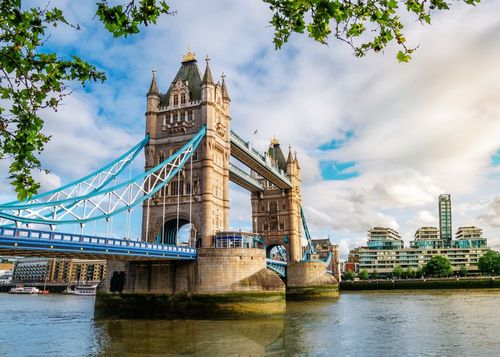
For the first-time visitor, must-sees include the Thames area. From West to East: take a couple of days to stroll around Westminster's buildings (there are organised tours of the different government buildings) and snap away at the Big Ben and the various protests that take place daily in Parliament Square. Then cross over and see the Tate Modern (London's highest profile and only large contemporary art museum), flick through the reams of books at the market under Waterloo Bridge, and take the Underground to Tower Bridge. Across the river, you will be able to see the Tower of London. There are tours of both, but allow at least half a day for these.
The Thames is the most emblematic of London's 'great city' status, so the best way to see it is on foot - you will discover picturesque cobbled clusters along the quays like Saint Katharine's Docks, as well as the latest in contemporary architecture, like the glass and aluminium-clad City Hall, that looks like its layers are sliding out of place. There are other buildings that feature in most guidebooks but that you will probably want to leave off your list - but do try to visit the OXO Tower between Waterloo and Blackfriar's Bridge. Its history and entire renovation is symbolic and represents London's development style - based on gentrification rather than a 'replacing old for new', means that the city still has all the character it would have had before the Great Fire of London in 1666.
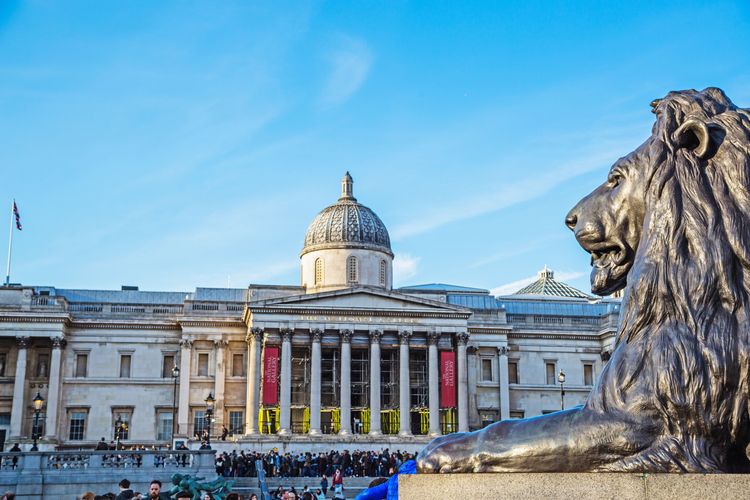
After a thorough exploration of the Thames' banks, a spot of shopping and long tea-drinking sessions in the West End should be up next. Visit Covent Garden, the prettiest of the areas due to its covered market square and cobble shopping streets lined with the latest in trendy brands and independent labels (after looking around the main square to the right of the station, retrace your steps and take Neal Street, which is left of the station as you come out, for the real London West End vibe). Piccadilly Circus and Leicester Square are probably London's most overrated attractions - when tourists get to Piccadilly Circus they usually don't quite know what to do with themselves apart from sit around the fountain and watch the traffic pass by, the large digital screens flashing from one advert to the next - Piccadilly Circus is the equivalent of New York's Times Square, but with less grandeur. Trafalgar Square must also be visited for its general atmosphere (it is also here that you will find the National Gallery). For travellers feeling brave and wanting to shop, Oxford Circus has all the mainstream brand, but one megastore that every traveller yearns to have open up in their town is Topshop. One of Europe biggest retailers, it is a temple for mainstream trendy prêt-à-porter.
For another side to London, but which is just as authentic as the big famous sites, is the north of the city. Calmer and a little further out, Camden Market is where you will find absolutely anything you could possible imagine, from psychedelic trance outfits to tattoo parlours and shisha stands. Plan to spend a sunny day here; walking along the Camden Lock (another name for a canal) and stopping at various trendy bohemian cafés along the way.
A must-visit is also the famous Notting Hill market with its streets of quaint coloured terraced houses.
Last but not least on our 'London for beginners list', is East London. Walk through Spitafields Market (make sure you read up on its history to truly appreciate it), head to Brick Lane, an Asian expat community with some of London's trendiest bars, clubs, shops and an impressive line-up of Indian restaurants, before walking out to Shoreditch, the place to be seen in London. Shoreditch High street is where the main cluster of activity unravels, but don't hesitate on exploring its side streets for an eyeful of that London charm, before heading to Hoxton Square's fashionable galleries (White Cube) and cafés (The Breakfast Club).
More
The best thing about London is its diverse atmospheres - every area has its own distinct feel. Our favourite way of seeing the city is walking right through and getting lost in its tiniest cobbled streets, which are where the real London lies; lurking in 18th century pubs and inns that are rumoured to be haunted and covered markets like Brixton Village (South London) and Leaden Hall Market (the City).
More
An essential point to think about is accommodation - getting accommodation in the city centre (zones 1 and 2) is well worth the extra spend, or you could end up spending most of your time in London on the tube. And last but not least always carry an umbrella on you!
More
- Avoid buying underground tickets for individual journeys. Buying a travel card is more economical. An Oyster card is even better as it is cheaper than the other options - even if you are in the city just for a long weekend, it is worth spending the extra £5 on.
- Although many websites will say that accommodation is in London, remember that London is enormous, so to avoid travelling great distances just to see the sites, make sure you choose accommodation within the city centre (zones 1-2). As the city is so vast, you will spend an hour or more per trip on public transport.
- Other things you might want to avoid is shopping on a Saturday, especially on Oxford Circus.
- Also to be avoided in the rush-hour in the mornings (7:00am-9:30am) and evenings (5:00pm-6:30pm).
More
For something utterly worth it, go for afternoon tea at the Ritz and indulge in some of the best pastries, scones, Battenberg and cucumber sandwiches you will have the pleasure of tasting. Make sure you book well in advance to avoid being turned away at the door.
More
Apart from food and drinks, you will be tempted to shop till you drop, so bringing back suitcases full of clothes is a given.
More
United Kingdom, All you need to know!
If you do like to be beside the seaside, then you won't be disappointed with the standard of hotels in Brighton. Despite its longevity as a British beach resort it has, in addition to its old-fashioned B&Bs and sea front favourties, many modern and contemporarily designed hotels and guest houses, some ...
sian catterall 26/10/2011 : "Very Comfortable stay, Room was lovely, very close to the town centre and a view overlooking the pool and the sea, great break away."
Marie-Jacqueline Ballagh 29/06/2011 : "Cheap, friendly hostel ideally situated just a few minutes walk from mainline stations in the delightful Bloomsbury area."
joyce clay 02/05/2011 : "This hotel was excellent value. Twin rooms adequate. Hyde Park opposite a wonderful location.Breakfast was continental/full english excellen"
Ryanair passengers are being informed that the budget airline's website will be closed from 10pm on Friday 18 May until midnight on Saturday, the following day. Flights will be unaffected, but passengers are being advised to print off their boarding passes before 4pm on Friday. The airline charges passengers £60 per person if they have not printed their boarding passes before arriving at the airport.
London
17°C |
25°C
4 day weather forecast
25°C 22°C 20°C 22°C
Brighton has come a long way since it emerged as a resort in the mid-19th century. Today it's a large city attracting tourists from all over the UK and Europe. With its exciting attractions, countless restaurants and famous